Publishers see readers searching for authentic stories that reflect real experiences. Inclusion gives access to new perspectives and helps readers connect with different cultures. Hearing from marginalized voices can break barriers and create more inclusion in books. The Genre Shifts Toward Diversity book industry shows that access to literature matters for everyone. Publishers face challenges of diverse voices, but representation builds trust and excitement. Take a look at how genre diversity shapes the market:
| Genre | Sales Impact |
|---|---|
| Romance | Generates around $1.4–1.5 billion annually in the U.S. |
| Mystery, Thriller, & Crime | Commands around 17–20% of adult fiction sales in the U.S. |
| Science Fiction & Fantasy | Steadily rising due to film/TV adaptations. |
| Diverse Voices | Growing reader appetite for diverse protagonists and cultural settings. |
Key Takeaways
https://amzn.to/3ZjWR24
Diversity in publishing is essential. It helps readers connect with different cultures and experiences.
Publishers should actively seek out and support authors from marginalized backgrounds to enrich their catalogs.
Engaging with online communities and literary festivals can help publishers discover new talent and promote diverse voices.
Using sensitivity readers ensures authenticity in storytelling and helps avoid cultural misrepresentation.
Continuous improvement in diversity efforts builds trust and strengthens connections with readers.
Genre Shifts Toward Diversity In The Book Industry
Representation Matters
The genre shifts toward a diverse book industry show that representation is more than a trend. It is a movement that changes how readers see themselves and others. Many publishers now focus on diversity, equity, and inclusion as a core part of their strategy. They want to break down old barriers and make sure stories from marginalized backgrounds reach the shelves. Groups like We Need Diverse Books push for real change. Major publishers look for new talent and buy manuscripts from authors with different experiences. The #OwnVoices movement highlights the need for authentic stories, especially in books for young people.
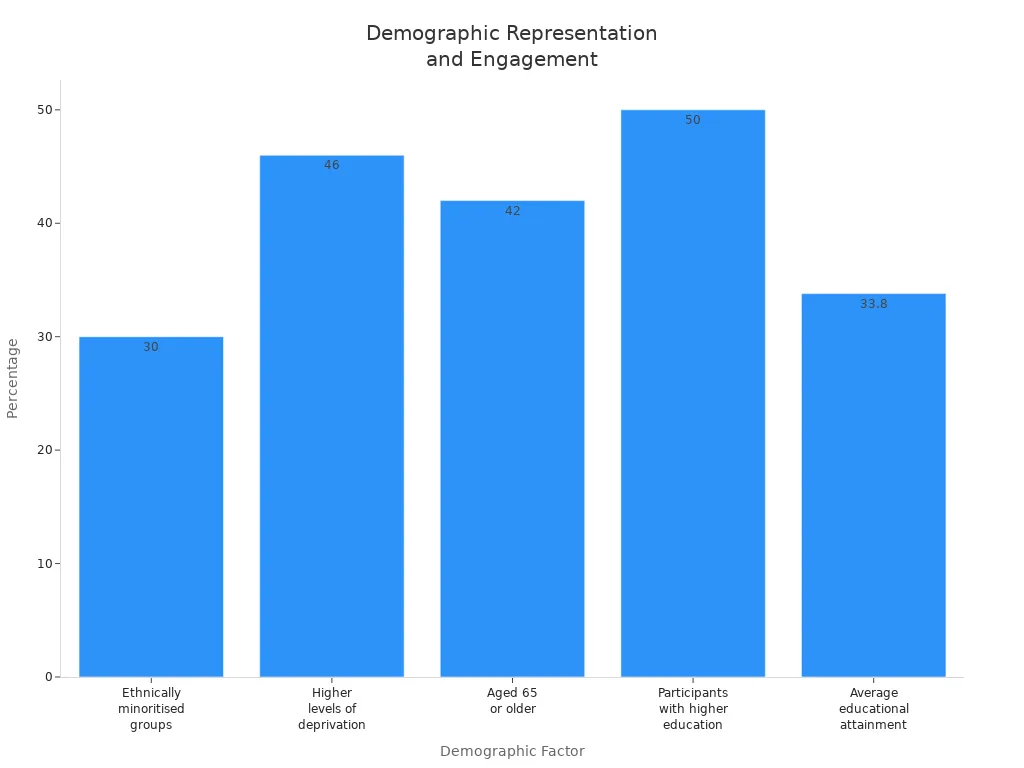
A closer look at reader engagement shows how important this shift is:
| Demographic Factor | Percentage |
|---|---|
| Ethnically minoritised groups | 30% |
| Higher levels of deprivation | 46% |
| Aged 65 or older | 42% |
| Participants with higher education | 50% |
| Average educational attainment | 33.8% |
Broadening Perspectives
Genre shifts toward diversity book industry help readers see the world in new ways. When people read books by authors from marginalized backgrounds, they learn about different cultures and ideas. Syntopical reading, or comparing books from different genres and times, helps readers understand big themes like love and identity. This method lets readers see how society shapes stories. It also helps them find what makes each voice unique. By reading widely, people discover their own preferences and gain a deeper respect for other cultures.
Reading stories from marginalized communities can open minds and build empathy. It challenges the idea that all readers want the same thing.
Industry Trends
The genre shifts toward diversity book industry have changed how publishers work. Many companies now have diversity and inclusion programs. They try to hire staff from marginalized backgrounds and publish more books by these authors. However, some challenges remain. Publishers sometimes under-promote books by diverse authors. This means less funding and fewer marketing opportunities for writers from marginalized backgrounds. In the UK, the number of Black authors published has dropped since 2020. Some publishers see authors from marginalized communities as a risk, which limits their chances.
To avoid “diversity syndrome,” or tokenism, publishers need to make real changes. Surveys show that while most leaders say they support workplace diversity, many employees do not see these changes. Real engagement matters more than just checking a box. People from marginalized backgrounds want to feel valued, not just included for show.
The genre shifts toward diversity book industry are ongoing.
Publishers must keep working to support all voices and create lasting change.
Discovering Diverse Voices In Publishing

Scouting New Talent
Publishers who want to find diverse voices in publishing need to look beyond the usual places. They often start by changing how they recruit and hire. Many companies reach out to new talent pools and offer internships for underrepresented groups. These steps help bring in fresh ideas and backgrounds. Publishers also create programs for mentorship and professional growth. These programs help new employees feel welcome and supported.
Here is a quick look at some effective strategies:
| Strategy Type | Description |
|---|---|
| Recruitment and Hiring Initiatives | Targeted outreach to diverse talent pools, inclusive hiring practices, and internships for underrepresented groups help widen the search for diverse voices in publishing. |
| Retention and Advancement Programs | Professional development, mentorship, and creating inclusive work environments support the growth of diverse employees. |
| Promoting Diverse Voices in Content Creation | Actively seeking submissions from authors of color and supporting diverse staff in editorial roles ensures a varied publishing catalog. |
| Industry-Wide Collaboration and Accountability | Partnerships with diversity-focused organizations and setting diversity goals foster accountability and continuous improvement. |
Publishers also attend genre-specific events and literary festivals. These events give underrepresented authors a chance to shine. At festivals, authors can meet readers and share their stories. Panels and discussions highlight unique perspectives. Many publishers discover new talent at these gatherings.
Literary festivals provide a platform for diverse voices in publishing, increasing visibility for underrepresented authors.
These events let authors and audiences connect, which helps promote works that might otherwise stay hidden.
Panels and discussions at festivals often focus on the experiences of marginalized writers.
Publishers who want to see diverse authors making waves need to show up at these events. They can find new talent and build relationships with writers who have something special to say.
Leveraging Independent Platforms
https://amzn.to/3LGzDQC
Independent publishing platforms play a big role in amplifying diverse voices in publishing. Many authors use self-publishing to share their stories when traditional publishers overlook them. The Indie Author Project (IAP) connects local libraries with indie authors. This project has added over 25,000 indie ebooks to library collections. It gives readers access to a wider range of stories and backgrounds.
The Indie Author Project helps local authors and libraries work together.
It builds a strong literary culture that reflects many different experiences and identities.
Self-publishing lets authors keep control of their work and reach readers directly.
Many diverse authors making waves started with self-publishing. They used independent platforms to build an audience and prove that readers want their stories. Publishers now pay attention to these authors and sometimes offer them book deals. Self-publishing has become a powerful tool for diverse voices in publishing.
Here are some ways independent platforms help:
- They give authors a place to share stories that might not fit mainstream trends.
2. They let readers discover new voices and support authors from their own communities.
3. They encourage creativity and risk-taking, which leads to more exciting books.
Self-publishing is not just a backup plan. It is a way for authors to take charge and show what they can do. Publishers who want to find diverse voices in publishing should watch independent platforms closely.
Online Communities
Online communities have changed the way publishers discover diverse voices in publishing. Many writers from marginalized backgrounds face barriers in the traditional industry. Online groups give these writers support and a sense of belonging. They can share advice, celebrate wins, and help each other through tough times.
Social media campaigns also help diverse voices in publishing get noticed. Publishers now look for trends and new authors on platforms like Twitter, Instagram, and TikTok. These campaigns can make a big difference. When readers talk about a book online, it can lead to more sales and more attention from publishers.
Being part of an online community helps writers feel less alone. They can connect with others who understand their struggles. This support keeps them motivated and helps them keep writing. Publishers who pay attention to these communities can find new talent and learn what readers want.
Tip: Publishers should join online groups, follow hashtags, and listen to what readers and writers are saying. This is where the next big thing in diverse voices in publishing often starts.
Self-publishing also thrives in these spaces. Writers share tips, promote each other’s work, and build loyal fan bases. Many success stories begin with a tweet or a post in a writing group. Publishers who want to stay ahead should keep an eye on these online movements.
Embracing Diverse Voices Through Collaboration
Partnering With Organizations
Publishers see real change when they work with organizations focused on equity and inclusion. These partnerships help publishers reach new audiences and bring more authenticity to their catalogs. They also open doors for stories from marginalized backgrounds. Many organizations have deep roots in their communities and understand what readers want.
Here are some examples of successful collaborations:
Taproot Edmonton joined forces with the Edmonton Coalition on Housing and Homelessness. Together, they created “Housing Complex,” a project that shared stories from twelve people involved in Edmonton’s housing system. They also hosted an event that brought together around seventy attendees.
Charlottesville Tomorrow worked with two local groups to launch the Charlottesville Inclusive Media Project. This project built a framework for local media to better serve communities of color in Virginia.
These partnerships show that publishers can learn a lot from organizations that focus on diversity. They help publishers find new voices and make sure stories reflect real experiences. Working together also builds trust with readers who want to see themselves in books.
Supporting Community Initiatives
Community initiatives play a big role in making publishing more inclusive. When publishers support these efforts, they help create spaces where marginalized voices can thrive. Community-led projects often focus on advocacy, education, and building connections. They give people the tools to tell their own stories with authenticity.
A closer look at the impact of these partnerships shows strong results:
| Impact Area | Percentage of Community Members Reporting Change |
|---|---|
| Advocacy Skills | 58% identified a large change in community members being better able to advocate for themselves |
| Understanding of Trauma | 57% identified a large change in community members’ understanding of trauma’s impact on children or youth |
| Connection to Services | 58% identified a large change in community members being more likely to connect to services through linkages and referrals |
| Trust in Organization | 55% identified a large change in community members feeling comfortable telling the organization what they need |
| Engagement with Community | 61% identified a large change in the organization being more engaged with the community |
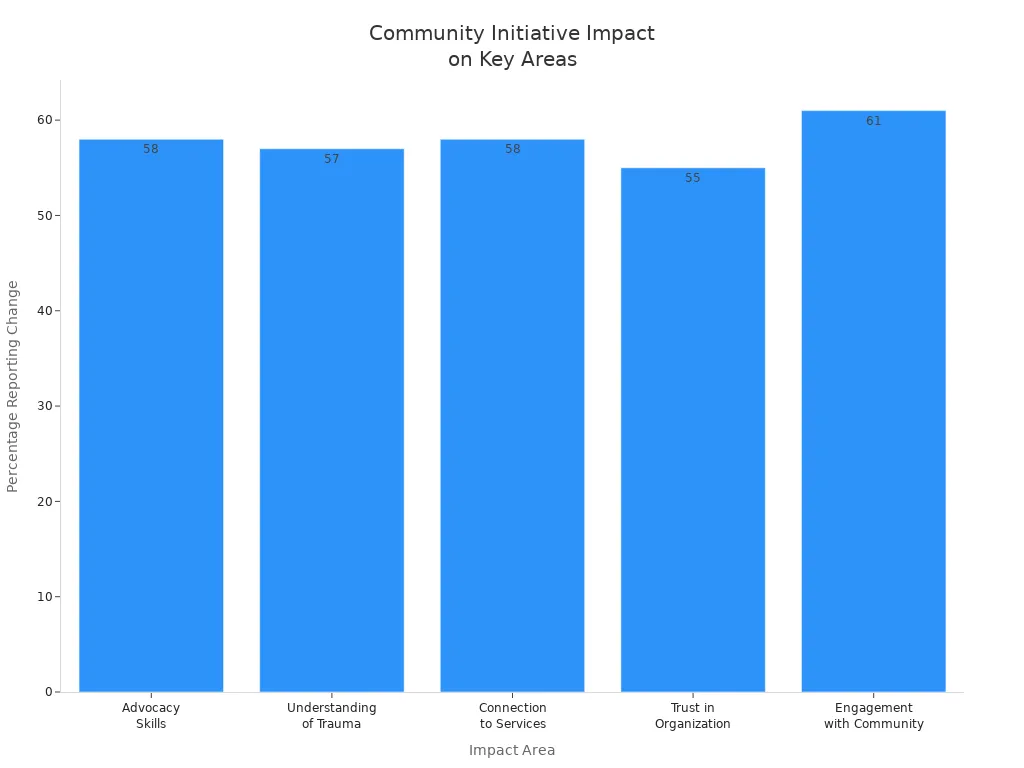
Publishers who support community initiatives see more authenticity in the stories they publish. They also help build advocacy skills and trust within the community. These efforts lead to deeper connections and more honest storytelling. When publishers listen to what the community needs, they create books that matter.
Tip: Publishers can join local events, sponsor workshops, or offer resources to community groups. These actions show a real commitment to embracing diverse voices.
Sensitivity Readers
Authenticity matters in every story. Publishers use sensitivity readers to make sure books reflect real experiences and avoid stereotypes. Sensitivity readers come from the same backgrounds as the characters or topics in a book. They check for accuracy, respectful language, and cultural details. Their feedback helps authors and editors spot problems before a book goes to print.
Sensitivity readers protect against cultural appropriation and misrepresentation. They help publishers avoid mistakes that can hurt marginalized communities. This process builds trust with readers and shows that publishers care about authenticity.
Here’s how sensitivity readers make a difference:
- They point out language or scenes that might feel wrong or harmful.
2. They suggest changes that add depth and truth to the story.
3. They help authors write with more empathy and respect.
Publishers who use sensitivity readers show a real commitment to equity and inclusion. They make sure every voice gets heard in the most authentic way possible.
Curating An Inclusive Catalog

Catalog Evaluation
Publishers want their catalogs to reflect real communities. They use several methods to check if their books include a wide range of perspectives. A good evaluation process brings trust and transparency. Here are some steps publishers often follow:
List the name of the evaluator for accountability.
Add the evaluation date to show when the review happened.
Share the evaluator’s credentials to build trust.
Provide a link to a public accessibility report for transparency.
These steps help publishers show readers and authors that they care about including marginalized groups. Regular catalog checks keep the focus on improvement.
Setting Diversity Goals
Setting clear goals helps publishers track progress. Carrie Bloxson from Hachette says that focusing on data, not just talk, leads to real change. She has seen more diversity in both staff and the books they publish. Publishers define what success looks like for their teams. They use regular surveys to see how engaged people feel. Sharing updates from these surveys keeps everyone accountable. Publishers also watch for growth and retention, making sure that marginalized staff and authors feel supported.
Balancing Risks And Rewards
https://amzn.to/4b5ZXxW
Curating an inclusive catalog brings both challenges and rewards. Publishers face gatekeeping, stereotyping, and visibility issues. Marginalized authors often struggle to get noticed or are pushed to write only about their identities. Still, the rewards are clear. Many readers want to support organizations that value diversity.
| Statistic | Description |
|---|---|
| 69% | Consumers more likely to purchase from DEI-supporting organizations |
| 36% | Consumers planning to boycott organizations reducing DEI initiatives |
| 74% | Women making purchasing decisions based on DEI policies |
| 78% | Gen Z making purchasing decisions based on DEI policies |
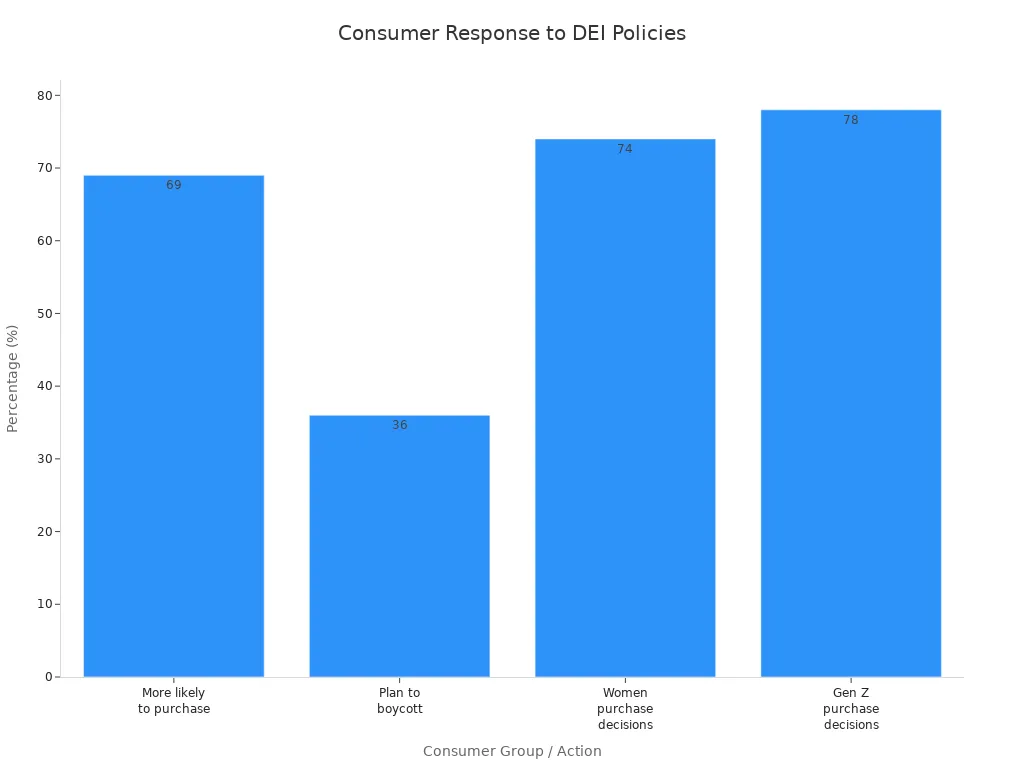
Publishers who invest in marginalized voices build stronger connections with readers. They also create a catalog that stands out in a crowded market.
Reader Feedback And Engagement
Insights From Reviews
Reader reviews give publishers a window into what the audience values most. Many reviews highlight stories that feature marginalized characters and communities. Readers often praise books for their affirming queer narratives, especially when these stories help young adults find self-acceptance. Some reviews point out how a novel explores a rarely discussed community, which shows the importance of diversity in storytelling. Others mention how themes like love and friendship appeal to a wide readership, proving that authentic engagement with new perspectives attracts more readers.
Readers celebrate books with affirming queer narratives.
Unique perspectives from marginalized communities stand out.
Stories about love and friendship reach a broad readership.
Publishers who listen to these reviews can better understand what drives engagement and how to build long-term readership.
Responding To Demand
Publishers see a clear shift in what readers want. They now adjust their acquisition strategies to focus on genres with high demand, especially those that blend traditional boundaries. This approach means they look for innovative takes on familiar genres. Social media platforms like TikTok play a big role in shaping these trends. Publishers who pay attention to these signals can respond quickly and keep their catalogs fresh. They also show that they value authentic engagement with their audience.
Meeting the demand for stories from marginalized voices helps publishers grow their readership. It also positions them as an active literary citizen in the industry.
Interactive Platforms
Engagement does not stop at publication. Interactive platforms help publishers connect with readers and authors in real time. These platforms create spaces for discussion, support, and collaboration. Here is a look at some of the most effective options:
| Feature | Description |
|---|---|
| Author forums | Moderated spaces for authors to share experiences, advice, and encouragement. |
| Genre communities | Specialized groups for authors working in specific genres or formats. |
| Cultural groups | Communities organized around shared cultural experiences or interests. |
| Skill-sharing | Opportunities for authors to teach and learn from each other. |
| Collaborative projects | Facilitating partnerships between authors with complementary skills or interests. |
| Reading communities | Connecting authors with readers who are interested in diverse perspectives. |
| Social media platforms | Platforms like Instagram, Twitter, and TikTok that foster online book communities and discussions. |
These platforms encourage authentic engagement and help publishers reach new audiences. They also support building long-term readership by making everyone feel included and heard.
Celebrating Diversity And Success Stories
Showcasing Success
Publishers have seen real change by celebrating diversity in their catalogs. They highlight achievements that show how new genres and voices can shape the industry. Many publishers now run programs and events that support writers from marginalized backgrounds. These efforts help more readers find stories that reflect their lives.
Here are a few standout examples:
| Publisher | Initiative | Description |
|---|---|---|
| Penguin Random House UK | WriteNow | Finds and mentors new writers from underrepresented communities, offering feedback and event access. |
| Penguin Random House UK | Penguin Pride | Hosts events for LGBTQ literature and equality, with live readings and support for the charity Stonewall. |
| Jenna Bush Hager | Thousand Voices | Focuses on debut and emerging authors across genres, supporting diverse perspectives through the process. |
Literary awards also play a big role. Winning books often get media attention and spark conversations about inclusivity. These awards inspire new writers to share their stories and help books reach readers around the world.
When publishers celebrate success, they encourage more writers to take risks and share their unique experiences.
Continuous Improvement
Success does not stop with one good book or event. Publishers keep improving by listening to feedback and updating their practices. They use strategies like ongoing assessment, employee resource groups, and community engagement to make sure everyone feels included. Regular check-ins help publishers adjust their diversity efforts and stay on track.
| Strategy | Description |
|---|---|
| Ongoing Assessment | Reviews policies to promote equity for all employees. |
| Employee Resource Groups | Builds community and supports diversity in publishing processes. |
| DEI Community Engagement | Uses chat rooms and committees to foster inclusion. |
| Accountability | Adjusts initiatives based on needs and feedback. |
Publishers who commit to continuous improvement show that embracing new voices is not a trend. It is a promise to readers, writers, and the industry. Working together, publishers can create a future where every story matters.
Embracing new genres and voices keeps publishing fresh and exciting. Publishers, authors, and readers all benefit from this approach. The table below shows how diversity brings stronger results for everyone:
| Benefit | Description |
|---|---|
| Increased engagement and trust | Inclusive environments foster engagement and well-being. |
| New perspectives and innovation | Diverse voices spark creative solutions and reduce groupthink. |
| Improved performance | Diverse teams often outperform competitors. |
| Stronger business results | Inclusion drives market competitiveness and strategic advantages. |
To keep moving forward, publishers can:
Support inclusive publishing practices.
Collaborate with a wide range of communities.
Use guides and resources to promote global inclusion.
Celebrating every story helps the whole industry grow.
FAQ
How can publishers find new voices outside traditional channels?
Publishers often join online writing groups and attend local book festivals. They also check independent publishing platforms. These places help them meet writers with fresh ideas and unique backgrounds.
Why do sensitivity readers matter in publishing?
Sensitivity readers spot mistakes about culture, identity, or experience. They help authors avoid stereotypes. Their feedback makes stories feel real and respectful.
What challenges do marginalized authors face?
Many face barriers like limited access to agents or fewer marketing resources. Some get asked to write only about their identity. Publishers can help by offering support and fair opportunities.
How does reader feedback shape future catalogs?
Publishers listen to reviews and social media. They notice what readers love or dislike. This feedback helps them choose which genres and voices to support next.
https://pinardpublishing.com/audiobook-boom-a-new-era-for-authors/
Conclusion
As the publishing industry progresses, embracing new genres and voices is not merely a trend but a necessity for growth and innovation. Publishers who successfully integrate diverse narratives and experimental styles into their portfolios stand to benefit from expanded markets and enriched content offerings. This shift requires a proactive approach—investing in talent, fostering inclusive environments, and leveraging technology to discover and promote emerging voices. By doing so, publishers can ensure their relevance in an ever-evolving literary landscape, meeting the needs of an increasingly diverse readership while paving the way for a more vibrant and inclusive future in literature.