
Ready to unlock more income as an indie author? This post reveals seven fresh revenue channels: selling direct, offering multiple book formats, expanding distribution, repurposing content, launching merchandise, building memberships, and providing freelance services. In 2024, authors see direct sales and exclusive editions boost control and profits, while nearly half of U.S. eBook sales now come from independent creators. Choosing the right channel means testing ideas, growing an email list, and analyzing what works best.
Consider these steps:
Grow your email list.
Start with digital offers.
Test bundles.
Promote directly.
Track results.
Expand and refine.
| Risk Type | Description |
|---|---|
| Higher cost per unit | Authors pay more per copy than with large print runs. |
| Less flexibility for features | Fewer options for paper quality, cover finishes, and binding. |
| Lower profit margins | Increased costs can shrink profits with direct sales. |
Self-Publishing and Indie Expansion create new opportunities for growth. Every author can mix and match channels to fit their goals and audience.
Key Takeaways
Explore multiple revenue channels to boost your income as an indie author. Options include direct sales, merchandise, and freelance services.
Selling directly to readers allows you to keep more profits and build stronger relationships. Use platforms like Shopify to set up your shop.
Offer your books in various formats, such as ebooks, paperbacks, and audiobooks. This strategy helps you reach a wider audience and increase sales.
Expand your distribution beyond Amazon. Use platforms like StreetLib and Author’s Republic to tap into global markets and increase visibility.
Repurpose your content into courses or blog series. This can create additional income streams and engage your audience in new ways.
https://amzn.to/4pfq1Kl
Sell Direct to Readers
Benefits for Indie Authors
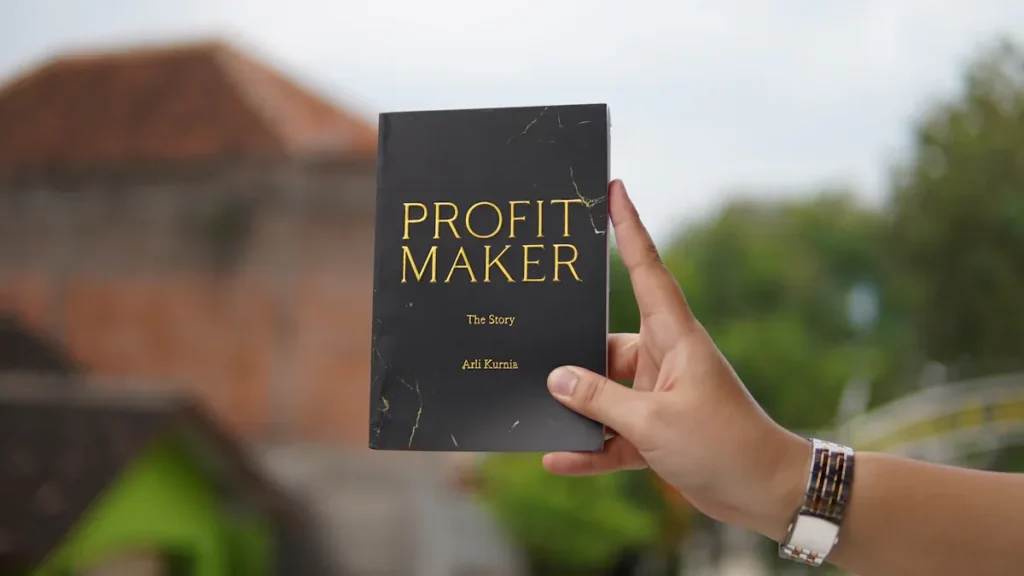
Indie authors often look for ways to keep more of their earnings and connect with readers. Selling direct gives them control over pricing, customer data, and special offers. When authors sell through their own website or storefront, they skip the middleman and keep a bigger share of each sale. This approach also lets them build stronger relationships with fans. Authors can offer exclusive editions, bundles, or signed copies that readers cannot find anywhere else.
Profit margins usually increase when authors handle sales themselves. They set their own prices and decide on discounts or bonuses. Indie authors also gain access to valuable customer information, which helps them grow their email lists and target future releases. Readers appreciate the personal touch, and authors enjoy more freedom to experiment with new ideas.
Tip: Authors who sell direct can test new products quickly and get instant feedback from their audience.
Getting Started with Direct Sales
Many indie authors feel unsure about where to begin. Setting up a direct sales channel does not have to be complicated. Authors can start by choosing a platform that fits their needs and audience. Popular options include:
Amazon KDP: Offers a royalty structure of 35% or 70%, depending on the price.
IngramSpark: Provides about 45% royalties and access to bookstores and libraries.
Apple Books: Delivers a flat 70% royalty, appealing to premium readers.
Kobo Writing Life: Gives 70% royalties on ebooks priced over $2.99, with strong reach in Canada and Europe.
Draft2Digital / Smashwords: Simplifies distribution and pays around 60% royalties after retailer cuts.
Wattpad: Allows monetization, but earnings can be unpredictable.
Subscription Models: Earnings vary based on per-page reads or revenue-sharing pools.
Authors can set up a simple shop using platforms like Shopify, Payhip, or WooCommerce. They upload their books, set prices, and link the shop to their website or social media. Indie authors often start with digital products, such as ebooks or audiobooks, before adding print editions or bundles. Tracking sales and gathering feedback helps them refine their offers and grow their business.
Multiple Book Formats
eBooks, Paperbacks, Audiobooks
Indie authors who want to grow their audience often look beyond just ebooks. They know that readers enjoy stories in different ways. Some people love the feel of a paperback, while others listen to audiobooks during a commute. Offering multiple formats helps authors reach more readers and stand out in the world of self-publishing and indie expansion.
Audiobooks have become a hot topic in self-publishing and indie expansion. Many authors see this format as a new way to boost their income. The audiobook market has shown strong growth over the past three years:
Audiobook sales increased by 13% in 2024, reaching $2.2 billion.
Sales growth was 9% in 2023, showing rising interest.
The adult segments still lead, but children’s and young adult audiobooks jumped by 26% last year.
These numbers show that audiobooks are not just a trend. They are a real opportunity for self-publishing and indie expansion. Authors who add audiobooks to their lineup can tap into a fast-growing market and attract new fans.
https://amzn.to/45fg6ND
Expanding Reach and Income Streams
Self-publishing and indie expansion work best when authors meet readers where they are. By offering ebooks, paperbacks, and audiobooks, authors make their stories available to everyone. Libraries also look for books in different formats. They want to serve all types of readers, so they often choose authors who offer more than one option. This strategy helps authors get noticed and increases the chance of library sales.
Authors who use multiple formats create more ways to earn money. Each format opens a new door for self-publishing and indie expansion. Some readers buy both the ebook and the paperback. Others might listen to the audiobook and then share it with friends. When authors think about self-publishing and indie expansion, they see that variety leads to more sales and a bigger fan base.
Tip: Start with one format, then add others as your audience grows. This keeps things simple and helps you learn what your readers like.
Go Wide with Distribution
Beyond Amazon for Indie Authors
Many indie authors start with Amazon, but they soon realize that going wide opens new doors. Distributing books on multiple platforms helps authors reach readers who shop outside Amazon. This strategy increases visibility and gives authors more control over their sales. Authors can avoid exclusivity and tap into global markets.
Here’s a quick look at platforms that offer strong revenue growth for indie authors:
| Platform | Revenue Model | Key Features | Royalties |
|---|---|---|---|
| StreetLib | 70% of net revenue | Global reach, library integration, real-time data insights | 70% (Basic Plan) |
| Author’s Republic | 80% of net royalties | Wide reach, no exclusivity, self-serve marketing tools | 80% |
| Voices by INaudio | 80% of royalties | High royalties, broad distribution, promotional codes available | 80% |
StreetLib gives authors access to over 40 retailers and libraries. Author’s Republic lets authors keep 80% of royalties and offers self-serve marketing tools. Voices by INaudio also provides high royalties and promotional codes, making it easier to attract new listeners.
Tip: Authors who distribute widely can test different platforms and see which ones work best for their genre and audience.
New Revenue Opportunities
Authors who go wide find new ways to grow their income. They reach readers in different countries and markets. This approach helps them build a larger fan base and reduces the risk of relying on one retailer.
Successful indie authors use several marketing tactics to boost their reach:
Collaborate with book influencers for endorsements and targeted exposure.
Encourage fan-generated content to engage readers and build community.
Pursue awards and professional recognition to increase credibility.
Content marketing also plays a big role. Authors share valuable insights related to their book’s themes. This builds trust and attracts loyal readers over time.
To maximize results, authors often:
Start small and test different ad platforms.
Target readers based on interests and behaviors.
Optimize and retarget campaigns using performance data.
Going wide with distribution gives indie authors more freedom and flexibility. They can experiment with new strategies and find what works for their unique audience. This path leads to fresh revenue streams and long-term growth.
Repurpose Content
Courses and Blog Series
Indie authors often look for new ways to reach readers and boost revenue streams. Turning a book into an online course or a blog series can open up additional income streams. Many authors have found that courses can earn much more than book royalties. For example, Ramit Sethi took his book and created high-ticket courses, which brought in significant earnings. Courses usually range from $97 to $1,000, depending on the level of support and content.
Authors can break down their book into lessons, worksheets, or video modules. They can teach world-building, character development, or even the process behind a successful book launch. Blog series work well for sharing tips, behind-the-scenes stories, or deep dives into characters. These channels help authors connect with readers who want more than just the story.
Tip: Start with a simple course or a short blog series. Test what your audience likes before building a full program.
Diversifying Income Streams
Repurposing content helps with diversifying income streams. Authors can use AI tools to pull out ideas for blog posts about world-building or character deep-dives. They can also create social media content, like quote graphics or prompts, to keep fans engaged between book launch events. Keeping a “book bible” with details about characters and plot points makes it easier to stay consistent across all channels.
Here are some popular ways indie authors repurpose content:
Turn chapters into blog posts or email newsletters.
Share deleted scenes or bonus material during a book launch.
Use bargain ebook newsletters to promote new blog series or courses.
Offer exclusive content to readers who join their email list through bargain ebook newsletters.
Repurposing content gives authors more control over their revenue streams. They can reach new audiences and keep fans excited long after the first book launch. By exploring these channels, indie authors can build a stronger brand and enjoy steady growth.
Author Merchandise
Branded Products for Fans
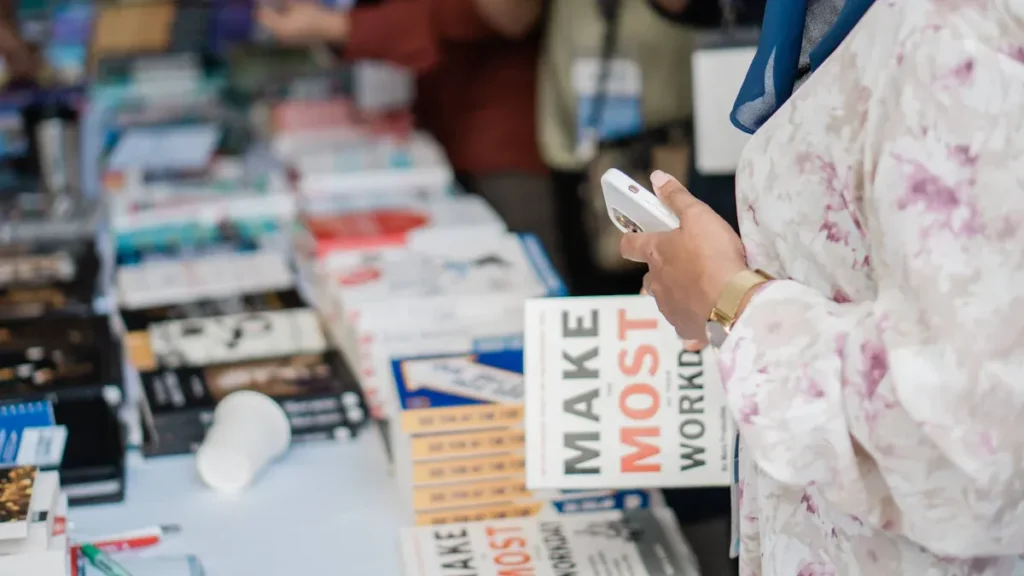
Indie authors often look for creative ways to connect with their readers. Branded merchandise gives fans a chance to show support and feel part of a community. Authors can design products that reflect their stories, characters, or personal brand. Fans love wearing T-shirts with book quotes or using mugs that feature favorite cover art. Merchandise turns readers into ambassadors who spread the word about an author’s work.
Some authors create limited-edition items for book launches or special events. Others offer signed posters or bookmarks as rewards for loyal fans. Merchandise can also help authors stand out at conventions and book fairs. When readers see unique products, they remember the author and the story. This approach builds excitement and deepens the connection between author and audience.
Tip: Authors who ask fans for feedback on merch ideas often discover what readers truly want.
https://amzn.to/48UOIHe
Simple Merch Ideas
Getting started with merchandise does not require a big budget or warehouse space. Print-on-demand services make it easy for indie authors to create and sell products without holding inventory. These platforms handle printing, shipping, and customer service, so authors can focus on writing and marketing.
Popular print-on-demand options include:
Printful: Authors upload artwork and choose from T-shirts, tote bags, mugs, and more. Printful manages everything from production to delivery.
Printify: This service offers a wide range of products and integrates smoothly with online shops. Authors can set up a storefront and start selling quickly.
Gelato: Gelato provides global fulfillment, so authors reach fans in different countries. Custom merchandise ships directly to readers, expanding the author’s reach.
Simple merch ideas work best when they match the author’s brand and appeal to fans. Stickers, notebooks, and bookmarks often become favorites. Authors can test new products in small batches and see what sells. Merchandise adds a fresh revenue stream and helps indie authors grow their audience.
Memberships & Communities
Patreon and Reader Groups
Memberships give indie authors a steady income stream and a way to connect with their biggest fans. Platforms like Patreon let authors offer exclusive content, early access, or behind-the-scenes updates. Fans pay a monthly fee to join, which helps authors predict their earnings and plan new projects. Some authors create private Facebook groups or Discord servers for their readers. These spaces feel personal and help fans bond over shared interests.
Authors often use Patreon to share bonus chapters, Q&A sessions, or writing tips. They might offer signed bookplates or special merchandise for higher-tier members. Reader groups work well for building excitement around new releases. Members get sneak peeks and can vote on story ideas. This direct connection makes fans feel valued and keeps them coming back.
Tip: Authors who focus on one social media channel often see stronger engagement. Responding to comments and sharing fan content builds trust.
Building Loyal Fans
A loyal community can turn casual readers into lifelong supporters. Authors use several strategies to grow and engage their audience:
Leverage social media to keep conversations going and engage with readers.
Create a companion newsletter or blog to share ongoing content and updates.
Host virtual or in-person events to connect with readers in real time.
Use interactive platforms and tools to foster discussions and community.
Encourage user-generated content to showcase reader experiences.
Simon Sinek and Seth Godin have built passionate communities around their books. Sinek’s Start With Why sparked workshops and ongoing conversations. Godin’s philosophy inspired reader tribes who support each other.
Authors also join Goodreads groups in their genre and participate in reader forums. Managing a Facebook reader group gives direct access to fans. Getting readers on an email list helps build relationships. Offering incentives like free content or exclusive access encourages sign-ups. Visible opt-in links in books and promotions make it easy for readers to join.
Note: Hosting events and sharing updates keeps the community active and excited about future releases.
Freelance Services
Writing and Editing for Others
Many indie authors discover that freelance writing or editing can open up new income streams. They use their storytelling skills to help other writers, businesses, or publishers. Some write blog posts, articles, or website copy. Others edit manuscripts, proofread, or offer feedback on story structure. This work not only brings in extra money but also helps authors sharpen their craft.
Freelancing comes with its own set of challenges. Price negotiations often trip up new freelancers. Over half of freelancers say they struggle to set fair rates and sometimes end up working for less than they deserve. Inconsistent work is another common issue. Some months bring lots of projects, while others feel slow. Time management can also be tough. Many freelancers find it hard to juggle deadlines, writing their own books, and personal life. Payment issues pop up, too. Some clients pay late or not at all, so clear payment terms matter. Work-life balance can slip away if authors take on too much.
Tip: Authors who set clear boundaries and track their hours find it easier to stay balanced and avoid burnout.
Expanding Indie Author Skills
Freelance services help indie authors grow their skills and networks. They learn to write for different audiences and tackle new topics. Editing for others sharpens their eye for detail. Each project adds to their portfolio and builds confidence.
Finding clients takes some effort, but several book marketing tips can help:
Focus on LinkedIn to connect with professionals who need writing or editing.
Ask happy clients for referrals to expand your network.
Share testimonials from satisfied clients to attract new leads.
Join podcasts or webinars to showcase your expertise and reach a wider audience.
Deliver high-quality work to encourage repeat business and more referrals.
Authors who build strong relationships with clients often see steady work and new opportunities. Freelancing lets them earn extra income, learn new skills, and stay connected to the writing world.
Indie authors see real benefits when they diversify revenue and experiment with new channels. Relying on one source of income leaves them open to market changes, but multiple streams help smooth out financial ups and downs. Many new authors start by leveraging their biggest winners, creating fresh offers, and sharing their process with readers. Building a brand means connecting with readers through joint promotion marketing, targeted email promos, and online marketing promotions.
Authors who adapt and learn new strategies, like revitalizing back catalogs or building direct relationships with readers, create a sustainable author career. The most common mistakes include skipping a marketing plan, only publishing print, or trying to do everything alone. Authors should pick one or two channels that fit their strengths and audience, then use strategic marketing and promotions to build a brand and reach more readers. Every promotion, every strategy, and every connection with readers helps authors grow. Now is the time to test, learn, and expand beyond traditional book sales.
| Trend/Strategy | Impact on Success Rates |
|---|---|
| Direct Sales by Indie Authors | Increases author empowerment and revenue optimization |
| Revitalization of Back Catalogs | Enhances market appeal and revenue potential |
| Building Direct Relationships with Readers | Fosters reader loyalty and engagement |
Authors who collaborate with others for joint promotion marketing and use targeted email promos reach more readers and build a brand that lasts.
https://pinardpublishing.com/7-smart-tax-strategies-to-maximize-savings-in-2025/
FAQs
How can an indie author choose the best revenue channel?
Authors should look at their strengths and audience. They can test one channel at a time. Tracking results helps them see what works. Many authors start with direct sales or memberships because these options offer quick feedback.
What tools help with selling direct to readers?
Shopify, Payhip, and WooCommerce make setup easy. Authors upload their books, set prices, and share links. These platforms handle payments and delivery. Many authors use email lists to promote their shop.
Is it hard to create merchandise as an indie author?
Print-on-demand services like Printful and Printify simplify the process. Authors design products and upload artwork. The service prints and ships items. Authors do not need to manage inventory or shipping.
Can authors repurpose content without technical skills?
Yes! Authors can turn chapters into blog posts or simple courses. Many use templates or online tools. They focus on sharing tips, stories, or lessons from their books. Readers enjoy extra content.
Do memberships require a large fan base?
No. Authors can start with a small group. They offer exclusive content or early access. Over time, the community grows. Many authors use Patreon or private reader groups to build loyalty.
Conclusion
As we have explored in this blog post, self-publishing and indie expansion offer invaluable opportunities for authors to take control of their creative journey and reach global audiences. By embracing these avenues, writers can not only share their stories but also build sustainable careers in the ever-evolving literary landscape. Now is the time to harness the power of self-publishing and indie expansion to amplify your voice and broaden your horizons. We encourage you to take the next step in your publishing adventure by visiting our website, where you can find resources, tips, and support tailored to your needs. Don’t wait to transform your creative aspirations into reality—start your journey with us today!